ORDER YOUR CONSENT EXEMPT KITSET FOR IMMEDIATE DELIVERY! | LEARN MORE
ORDER YOUR CONSENT EXEMPT KITSET FOR IMMEDIATE DELIVERY! | LEARN MORE


As of the 15th January 2026 the Building and Construction (Small Stand-alone Dwellings) Amendment Bill, passed by the New Zealand government has come into effect. This Bill makes it easier, quicker, and less costly to build a small standalone dwelling (or granny flat) by exempting some from the requirement to obtain a building consent.
From early 2026, building a small self-contained dwelling or “granny flat” has become more cost effective. Here’s a summary of the previous granny flat regulations in NZ, and what the new rules involve.
The Amendment Bill has introduced a building consent exemption for small standalone dwellings under certain conditions. Key changes include:
Size, design and type
Who does the work
Notification to Council (Territorial Authority)
Liability, safety and compliance
Infrastructure and Council Charges
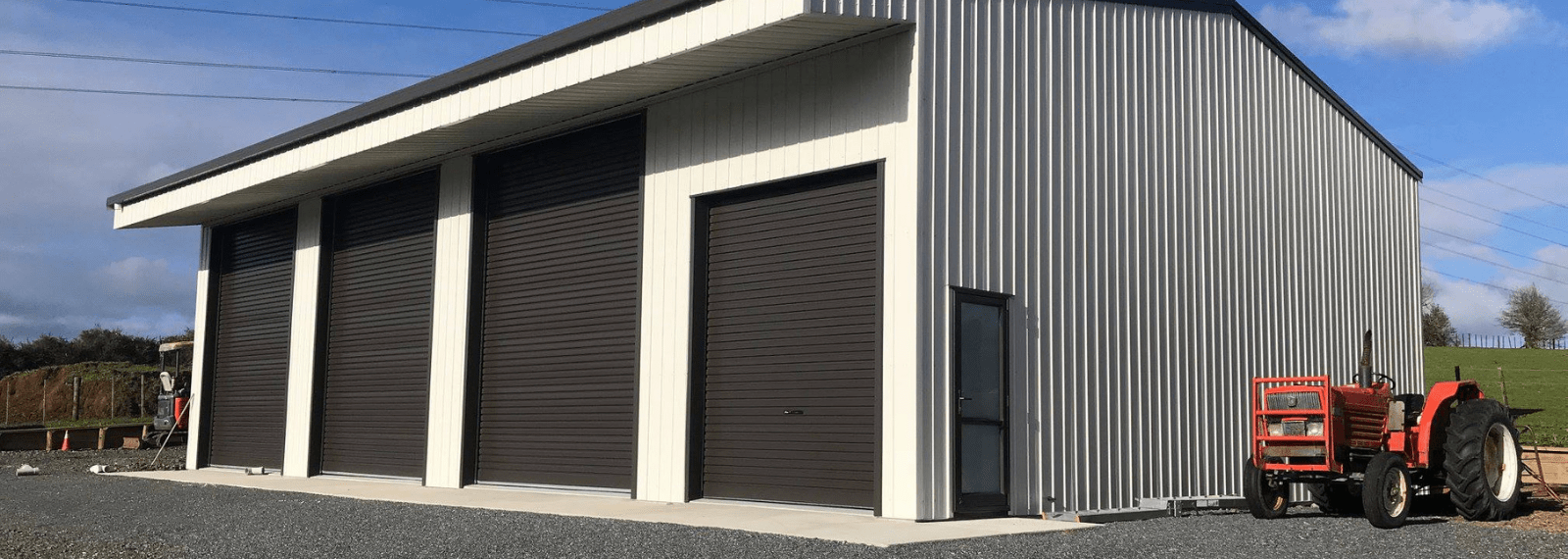
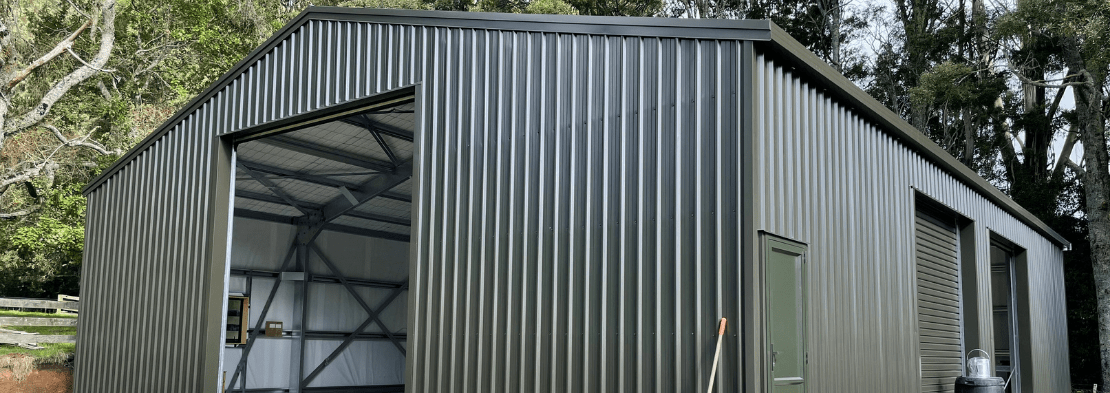
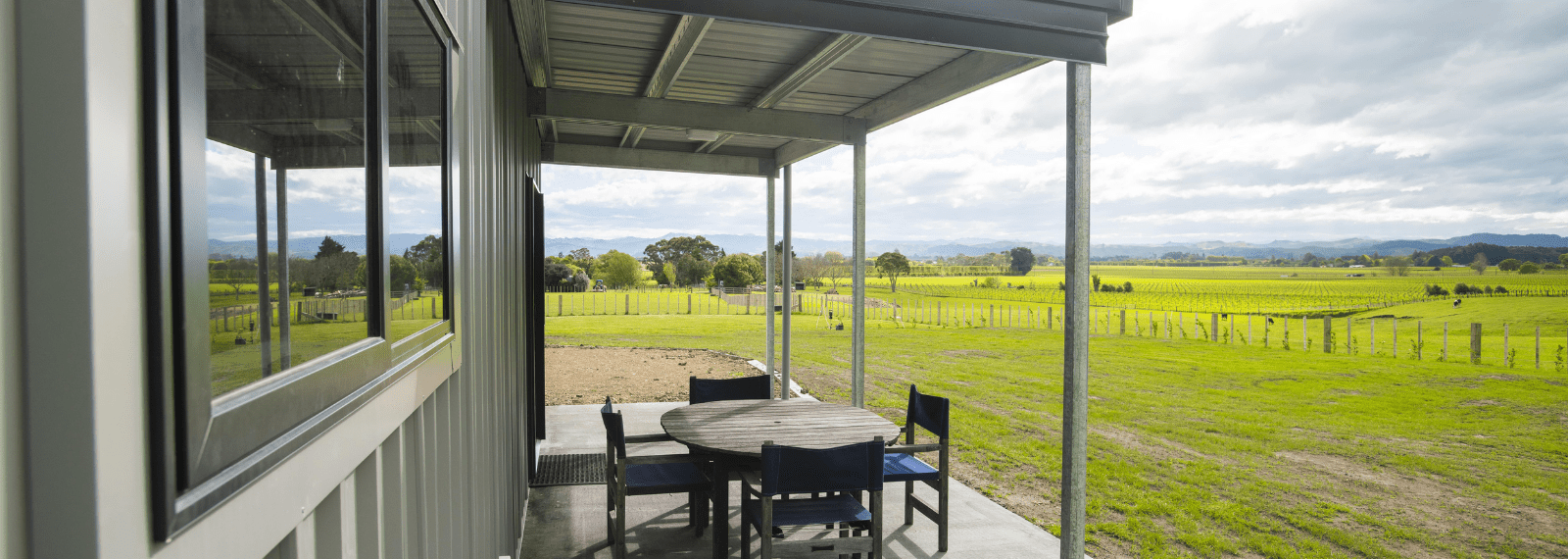
Increasingly, KiwiSpan sheds include offices, studios, rumpus rooms, and even granny flats. The new rules present a range of potential benefits for our customers, along with some important considerations when considering building a small shed house on your property.
Some of the more important considerations are:
Reduced costs and faster build process
If your KiwiSpan shed house falls within the compliance conditions of the new ‘granny flat exemption, you may no longer need to go through the full building consent process, this will reduce fees, paperwork and time.
Design considerations
Your local KiwiSpan team will help you ensure your project meets the defined ‘simple design’ criteria from the Building Code:
Our more custom or complex builds might exceed what the exemption allows, meaning we will still need to go through the consent process.
Even without a building consent, you’re still required to apply for a PIM, provide final plans and records, retain all necessary safety certificates, and notify the council once the work is complete.
If your new shed is attached or too close to another building or a boundary, has complex plumbing or drainage, uses complex materials and structural systems, or exceeds 70sqm then you will still require council consent. Also, if there are site-specific issues, such as natural hazards or bylaws, councils may require further compliance or consents.
If you are considering building a ‘granny flat’ here are our suggestions on how best to prepare and plan to get the most out of the new rules:
Work with KiwiSpan from the start
Our team can manage the entire build process from design through construction and help you understand any additional costs. By involving us early, we can make sure your project meets the exemption criteria and runs smoothly. Check out the past shed homes and sleepouts we have built for inspiration.
Plan your idea carefully
If you’re considering a KiwiSpan granny flat, keep your design to a single-storey building under 70sqm. Sticking to these criteria is necessary to qualify for the exemption.
Be aware of extra costs
Even without a building consent, there may still be charges such as council development contributions, infrastructure fees or site-specific costs. Factoring these into your budget early will help avoid unexpected expenses.
Licensed professionals are essential
Your local KiwiSpan team can help you out with licensed builders and certified tradespeople. This is not only a best practice but also a requirement under the proposed rules. Having qualified professionals means you’ll receive the necessary records and certificates to submit to the council.
Check your site and local rules
Councils will still assess PIMs and provide advice. Natural hazards, bylaws, zoning or infrastructure constraints can affect eligibility. Getting council feedback early is especially valuable for complex or challenging sites.
This huge change means you may have a simpler, faster, cheaper pathway to adding small dwellings to your property. For many, this could reduce barriers to improving living arrangements, adding extra income space, or providing housing for family.
At the same time, because there are conditions and limits, this will not be the best solution for everyone – for many, 70sqm will simply not be big enough!
Here at KiwiSpan we build many sheds which include liveable spaces. Have a look through our website for inspiration or pop into your local KiwiSpan office for a chat. Talk to us about what designs and materials may allow you to work within the new granny flat exemption rules.